Potensi multi-target, mekanisme dan bukti klinis Zea mays L. untuk kesehatan: Tinjauan naratif
The multi-target potential, mechanisms, and clinical evidence of Zea mays L. for health: A narrative review
DOI:
https://doi.org/10.32795/bm04nz54Keywords:
Zea mays, Senyawa fitokimia, Antosianin, Mikrobioma saluran pencernaan, Pengobatan herbalAbstract
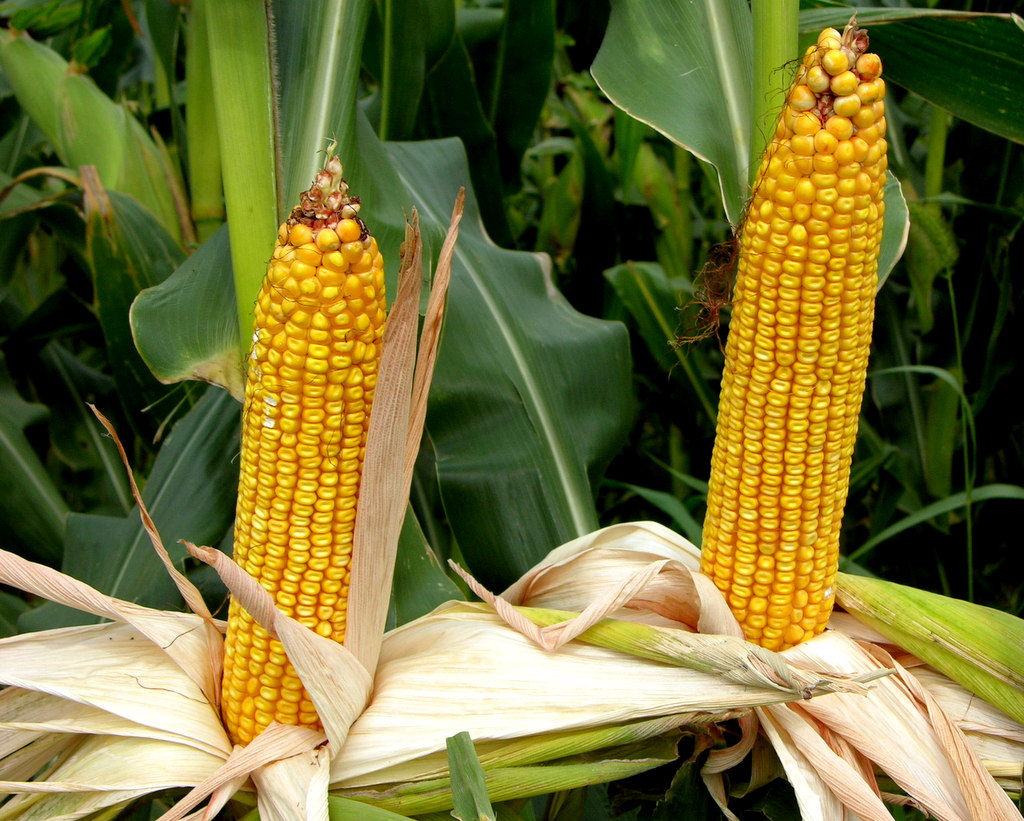
Latar Belakang: Zea mays L. menjadi salah satu tanaman pangan utama dunia. Bagian rambut, tongkol, kelobot, biji berwarna dan dedaknya mengandung beragam senyawa bioaktif dengan potensi manfaat kesehatan, namun kompilasi bukti ilmiahnya masih terbatas. Tujuan: Menganalisis potensi fitokimia, mekanisme dan implikasi kesehatan dari bagian tanaman Zea mays L. Metode: Penelusuran dilakukan pada basis data PubMed/MEDLINE menggunakan kombinasi istilah terkait “Zea mays”, “corn silk”, “purple corn”, “anthocyanin”, dan “corn bran arabinoxylan”, dibatasi pada artikel open access dan tergolong artikel penelitian, brief report, short communication atau tinjauan serta diterbitkan pada rentang tahun 2015 hingga 2026. Seluruh data dianalisis secara deskriptif. Hasil: Dua belas artikel memenuhi kriteria dan diekstraksi. Temuan menunjukkan rambut jagung menunjukkan efek antihipertensi, antioksidan dan fotoprotektif melalui modulasi jalur NF-κB, Nrf2 dan mikrobiota usus pada model in vivo. Kandunga Antosianin jagung ungu berasosiasi dengan efek antiinflamasi, antiproliferatif pada hiperplasia prostat jinak dan perbaikan kognitif pada uji klinis perempuan menopause. Arabinoxylan dedak jagung memodulasi mikrobiota usus dan penanda metabolik pada uji klinis acak terkontrol manusia. Kesimpulan: Zea mays L. menyimpan potensi multi-target untuk kesehatan kardiovaskular, metabolik, dan kognitif, namun translasi klinis masih terbatas pada komponen arabinoxylan dan antosianin, sehingga standardisasi dan karakterisasi senyawa bagian tanaman, uji kandidat obat serta uji klinis masih diperlukan untuk menguatkan bukti terapeutiknya
References
Bulut, N., Cantu-Jungles, T. M., Zhang, X., Mutlu, Z., Cakmak, M., & Hamaker, B. R. (2023). Matrix-entrapped fibers create ecological niches for gut bacterial growth. Scientific Reports, 13(1), 1884. https://doi.org/10.1038/s41598-023-27907-7
Colombo, R., Ferron, L., & Papetti, A. (2021). Colored corn: An up-date on metabolites extraction, health implication, and potential use. Molecules, 26(1), 199. https://doi.org/10.3390/molecules26010199
Deehan, E. C., Zhang, Z., Nguyen, N. K., Perez-Muñoz, M. E., Cole, J., Riva, A., Berry, D., Prado, C. M., & Walter, J. (2024). Adaptation to tolerate high doses of arabinoxylan is associated with fecal levels of Bifidobacterium. Gut Microbes, 16(1), 2363021. https://doi.org/10.1080/19490976.2024.2363021
Deehan, E. C., Zhang, Z., Riva, A., Armet, A. M., Perez-Muñoz, M. E., Nguyen, N. K., Krysa, J. A., Seethaler, B., Zhao, Y.-Y., Cole, J., Li, F., Hausmann, B., Spittler, A., Nazare, J.-A., Delzenne, N. M., Curtis, J. M., Wismer, W. V., Proctor, S. D., Bakal, J. A., … Walter, J. (2022). Elucidating the role of the gut microbiota in the physiological effects of dietary fiber. Microbiome, 10(1), 77. https://doi.org/10.1186/s40168-022-01248-5
Deepa, P., Hong, M., Sowndhararajan, K., & Kim, S. (2023). A review of the role of an anthocyanin, cyanidin-3-β-D-glucoside in obesity-related complications. Plants, 12(22), 3889. https://doi.org/10.3390/plants12223889
Ifie, S. E., Dangana, R. S., Swase, D., Ben Okon, M., Makena, W., Agunloye, M. O., Ugwu, C. N., Ifie, J. E., Odoma, S., Babangida, A. I., & Aja, P. M. (2026). Nutritional composition of Zea mays L: A comprehensive Review of Macronutrients, Micronutrients, and Bioactive Compounds. Open research Africa, 8, 15. https://doi.org/10.12688/openresafrica.16056.2
Kim, S.-O., Choi, A., Lee, H.-H., Lee, J.-Y., Park, S. J., & Kim, B.-H. (2025). Purple corn extract improves benign prostatic hyperplasia by inhibiting 5 alpha-reductase type 2 and inflammation in testosterone propionate-induced rats. Frontiers in Pharmacology, 15, 1485072. https://doi.org/10.3389/fphar.2024.1485072
Kim, Y.-H., Cho, A., Kwon, S.-A., Kim, M., Song, M., Han, H. W., Shin, E.-J., Park, E., & Lee, S.-M. (2019). Potential photoprotective effect of dietary corn silk extract on ultraviolet B-induced skin damage. Molecules, 24(14), 2587. https://doi.org/10.3390/molecules24142587
Li, Z., Zhang, H., He, L., Hou, Y., Che, Y., Liu, T., Xiong, S., Zhang, X., Luo, S., Liu, C., & Chen, T. (2023). Influence of structural features and feruloylation on fermentability and ability to modulate gut microbiota of arabinoxylan in in vitro fermentation. Frontiers in Microbiology, 13, 1113601. https://doi.org/10.3389/fmicb.2022.1113601
Ratha, J., Yongram, C., Panyatip, P., Powijitkul, P., Siriparu, P., Datham, S., Priprem, A., Srisongkram, T., & Puthongking, P. (2023). Polyphenol and tryptophan contents of purple corn (Zea mays L.) variety KND and butterfly pea (Clitoria ternatea) aqueous extracts: Insights into phytochemical profiles with antioxidant activities and PCA analysis. Plants, 12(3), 603. https://doi.org/10.3390/plants12030603
Wang, Y., Mao, J., Zhang, M., Liu, L., Zhu, Y., Gu, M., Zhang, J., Bu, H., Sun, Y., Sun, J., Ma, Y., Guo, L., Zheng, Y., & Liu, Q. (2024). An umbrella insight into the phytochemistry features and biological activities of corn silk: A narrative review. Molecules, 29(4), 891. https://doi.org/10.3390/molecules29040891
Wattanathorn, J., Kirisattayakul, W., & Somboonporn, W. (2025). A randomized controlled trial on the safety and cognitive benefits of a novel functional drink from a purple waxy corn byproduct in peri- and postmenopausal women. Antioxidants, 14(10), 1262. https://doi.org/10.3390/antiox14101262
Yao, G., Zhang, T., Qin, Z., Wang, Y., Gu, J., He, C., & Jin, J. (2026). Corn silk extract as a prebiotic exerts antihypertensive effects via gut microbiota modulation in hypertensive rats. Microbiology Spectrum, 14(3), e0144225. https://doi.org/10.1128/spectrum.01442-25
Downloads
Published
Issue
Section
License
Copyright (c) 2026 I Made Dwi Mertha Adnyana , Muhammad Rizky Pratama, Alreva Muhazier Jayaputra, Ni Luh Gede Sudaryati, Maykon Jhuly Martins de Paiva, Elsa Mega Suryani

This work is licensed under a Creative Commons Attribution 4.0 International License.
 Citation Metrics